
I’ve spent more than ten years working as an industry professional specifying, installing, and troubleshooting heating systems across workshops, industrial facilities, and specialized applications. Over that time, I’ve dealt with a wide range of heating element manufacturers, and I’ve learned that the real differences between them rarely show up during installation. They show up months later, when a system is under steady load and something starts drifting just enough to cause problems.
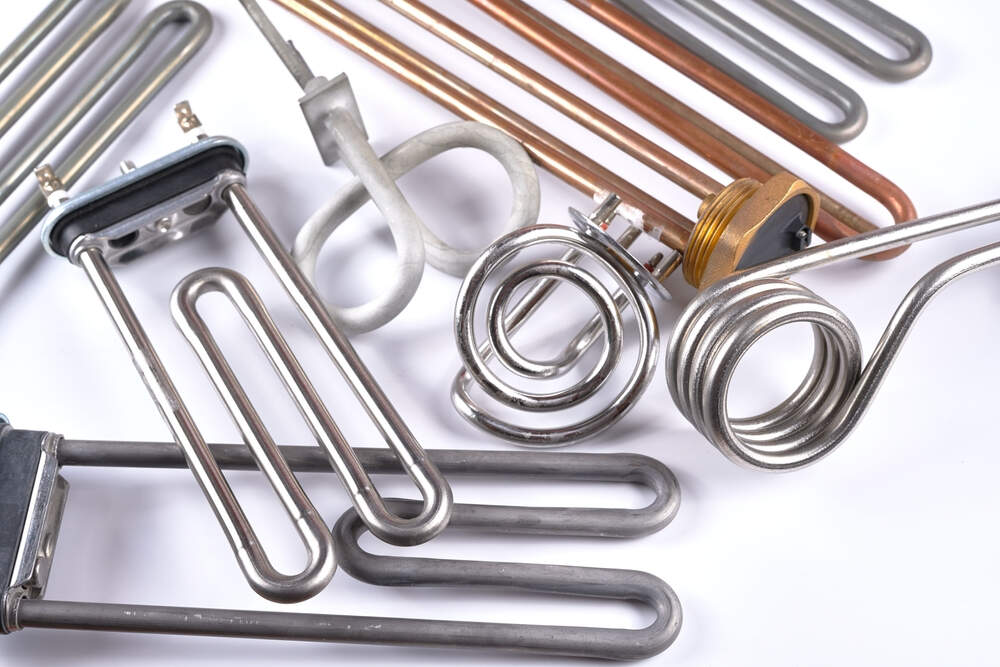
When I first encountered multiple manufacturers on the same project, I assumed that similar specifications meant similar outcomes. That assumption didn’t last long. On one early job, we installed heating elements from two different manufacturers into nearly identical systems. Startup went smoothly across the board. No alarms, no uneven heat, no complaints. By the middle of the season, one set of elements was still holding stable output, while the other began showing discoloration at the terminals and uneven heating along the coil. Nothing had failed outright, but maintenance time doubled for one system while the other barely needed attention.
That experience taught me to stop judging heating element manufacturers by spec sheets alone. In real use, consistency matters more than peak ratings. I’ve found that manufacturers who control their materials and winding processes tightly tend to produce elements that age predictably. Others hit their numbers early and then slowly wander out of tolerance, which is harder to diagnose and more disruptive than a clean failure.
A situation last spring reinforced this lesson again. A customer replaced a trusted element with a lower-cost alternative from a new manufacturer, hoping to save money during a slowdown. The element worked, but output fluctuated under continuous use. The system compensated by cycling more aggressively, which stressed contactors and controls. By the time we traced the issue back to the element, the secondary damage had pushed repair costs into several thousand dollars. The element wasn’t just a component anymore—it had become the weak link that affected everything around it.
One of the most common mistakes I see is assuming all heating element manufacturers design for the same duty cycle. Some elements are built for intermittent use, others for long, sustained operation. I’ve walked into systems where the element was technically within its rating, but clearly not built for how it was being used. Hot spots, insulation breakdown, and early resistance drift told the story. The better manufacturers ask about application details instead of rushing to quote part numbers.
Customization is another area where differences become obvious over time. True customization isn’t just changing length or wattage. It involves adjusting materials, watt density, termination style, and insulation to match real operating conditions. I’ve worked with manufacturers who treated customization as a quick modification and others who treated it as an engineering discussion. Only one of those approaches held up after months of continuous use.
I’m cautious about recommending heating element manufacturers who oversell durability. Elements don’t need to be indestructible. They need to behave consistently and fail predictably if they ever do. In my experience, gradual performance drift causes more operational damage than sudden failure because it hides in plain sight while systems compensate.
From a practical standpoint, I advise against choosing manufacturers based solely on price or lead time. Short-term savings disappear quickly when replacements become routine and downtime becomes expected. The manufacturers I trust tend to build elements that fade into the background. They don’t draw attention, they don’t require constant adjustment, and they don’t surprise anyone months later.
After years of watching how heating elements perform long after the installation crew has moved on, my perspective is straightforward. The best heating element manufacturers aren’t the ones that promise the most. They’re the ones whose products quietly do their job, season after season, without creating extra work or uncomfortable explanations down the line.